


?Why is comparing crowns and veneers so important
One of the most common questions in cosmetic dentistry is the difference between dental crowns and veneers. When a tooth is damaged, discolored, fractured, or misaligned, patients often find themselves torn between two popular options — Crowns (full caps) and Veneers (laminates/porcelain veneers)
.Both can improve appearance, but their purpose, durability, cost, and level of invasiveness differ significantly
.A wrong choice could lead to unnecessary expenses, early replacement, or even further damage
In 2026 (1405), with advancements in Zirconia, E-max, and digital CAD/CAM technology, both methods have become more natural-looking and precise
This comprehensive guide explains the definitions, brief history, pros and cons, direct comparison, step-by-step process, ideal use cases, effects on oral health, patient feedback, material types (porcelain, zirconia, composite), and a final decision roadmap based on budget, age, tooth condition, and personal priorities — in simple, realistic, and human language
?What Is a Dental Crown and How Does It Work
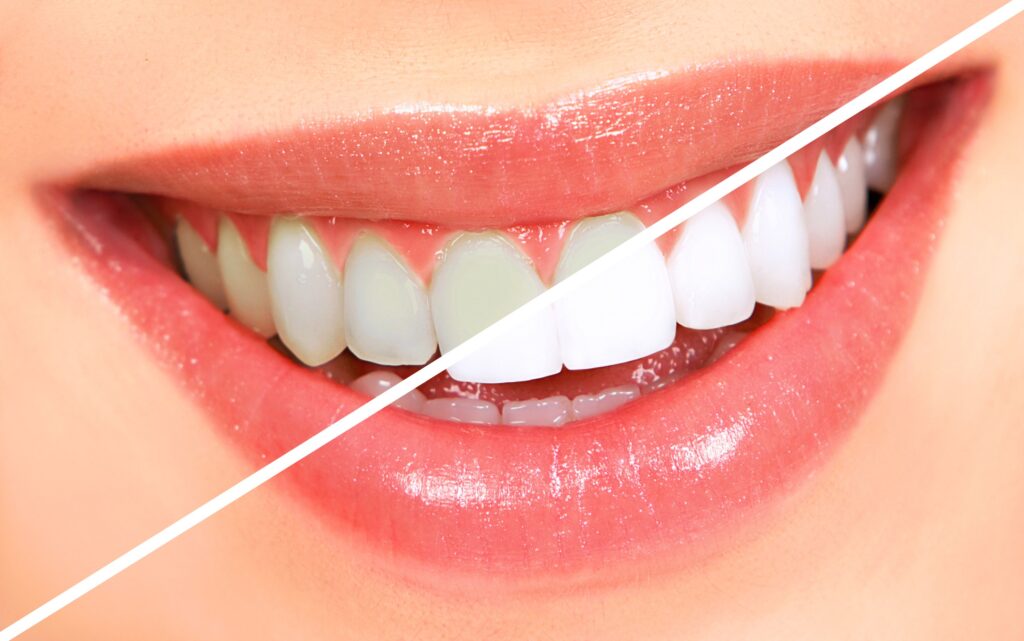
A dental crown is a full cap that covers the entire damaged tooth. It acts like a protective shell, restoring the shape, size, strength, and appearance
:Common Crown Types in 2026
Zirconia: Strongest, most natural appearance, long-lasting (15–20+ years)
.Porcelain-fused-to-metal (PFM): Metal core with porcelain coating — cheaper but may show a metal line
.E-max (Lithium Disilicate): Excellent aesthetics for front teeth, highly translucent
.Composite: More affordable but less durable (5–10 years)
:Ideal Cases for Crowns
Severely cracked or broken teeth
Extensive decay (over 50% of tooth)
After root canal treatment (weakened tooth)
Severely discolored or misshapen teeth
Replacing missing teeth in bridges
What Is a Dental Veneer and How Does It Work
A veneer is an ultra-thin layer (0.3–1 mm) bonded only to the front surface of the tooth — like a cosmetic shell for a natural smile
:Veneer Types
Porcelain Veneer (Laminates): Long-lasting (10–15+ years), very natural look.
Composite Veneer: Made chairside, cheaper but less durable (5–10 years).
No-prep or Minimal-prep Veneers: Little to no enamel removal — ideal for healthy teeth.
:Ideal Cases for Veneers
Resistant discoloration (e.g., tetracycline, fluorosis)
Small gaps between teeth
Short or mildly misaligned teeth
Hollywood smile makeovers
Healthy but misshapen teeth
Advantages and Disadvantages of Dental Crowns

Pros
Extremely strong — ideal for molars and heavy chewing
Full protection against further damage
Long lifespan (15–25 years with care)
Suitable for severely compromised teeth
Natural look with modern materials
Cons
Requires high tooth reduction (1–2 mm around all sides)
More invasive; may need root canal
Costly when using premium materials
Gum recession can expose the crown margin
Advantages and Disadvantages of Veneers
Pros
Minimal or no tooth reduction (for no-prep types)
Exceptional aesthetics — natural translucency and color
Faster treatment (2–3 visits)
Best for healthy teeth
Dramatic shape and color improvement
Cons
Less strong; not suitable for back teeth
Shorter lifespan than crowns (10–15 years)
Can chip or detach under high pressure
Expensive when using premium porcelain
Crowns vs. Veneers: Side-by-Side Comparison
| Likely Winner (Depends on Need) | Veneer (Laminate) | Crown (Full Cap) | Comparison Criteria |
| Veneer | Minimal to none | High (all sides | Tooth reduction |
| Crown | Moderate to high (10–15 yrs) | Very high (15–25 yrs) | Strength & durability |
| Veneer | Superior translucency | Excellent with Zirconia/E-max | Aesthetics |
| Veneer (slightly cheaper) | Moderate | Moderate to high | Average cost |
| Crown | No (surface only) | Yes (severe) | Suitable for damaged teeth |
| Veneer | Excellent | Moderate | Best for pure aesthetics |
| Veneer | 2 visits | 2–3 visits (with temporary) | Treatment time |
| Crown | Front surface only | Full coverage | Tooth protection |
| Crown | Moderate | Low | Risk of breakage/detachment |
Step-by-Step Process: Crown vs. Veneer
Crown
1Examination + X-ray + treatment planning
2Tooth preparation + digital impression
3Temporary crown (1–2 weeks)
4Final crown placement + bite adjustment
Veneer
1Aesthetic consultation + color/shape selection
2Minimal preparation + impression
3Lab fabrication (1–2 weeks)
4Permanent bonding with special resin
Care Tips and Longevity
.Both: Use a soft toothbrush, floss daily, and avoid very hard foods
.Crowns: Regular checkups to prevent decay underneath
.Veneers: Avoid biting nails or ice
Real Patient Experiences

Leila, 32
“Porcelain veneers on 8 front teeth — affordable, natural, minimal drilling. Truly a Hollywood smile!”
Reza, 45
“Zirconia crowns after root canal — great pricing and perfect chewing comfort.”
Sara
“Opted for composite veneers due to limited budget; done in installments. Worked well for 7 years, now due for replacement.”
Amir
“E-max crown for a fractured tooth — excellent result but pricier than PFM.”
Conclusion: Making a Smart Choice Between Crowns and Veneers
.The key difference lies in function — crowns restore and protect, veneers enhance aesthetics, With a careful consultation, you can select the best option for your smile
:References
Journal of Periodontal Research | American Academy of Periodontology
Need professional advice on crowns or veneers? Saadat Dental Clinic offers free consultation and digital smile design. Call today!
Frequently Asked Questions About Crowns vs. Veneers (FAQs)
?Which looks more natural
Veneers for front teeth, crowns for back teeth.
?Are veneers suitable for damaged teeth
No, crowns work better for that.
?How much does treatment for multiple teeth cost
It depends on the type and personalized treatment plan.
?Is it reversible
No-prep veneers can be; crowns cannot.