


?What Is Bruxism and Why Is a Night Guard Necessary
Bruxism is the involuntary grinding or clenching of teeth, most often during sleep (nocturnal bruxism) or sometimes while awake (awake bruxism)
This common condition (affecting about 8–31% of adults) can lead to severe enamel wear, cracked teeth or fillings, jaw pain (TMJ disorder), morning headaches, tooth sensitivity, gum recession, facial muscle pain, and even sleep problems
A Night Guard (also called an occlusal splint) is a plastic protective device that fits over the upper or lower .teeth . to prevent direct tooth contact, By 2026, thanks to modern materials (clear acrylics, hybrid soft‑hard polymers, and 3‑D printed digital designs) and intraoral scanners, these devices have become more precise, comfortable, and durable
This Guide Covers
Causes and symptoms of bruxism, True costs in Iran, Step‑by‑step process of getting a guard, Care and cleaning, Real patient experiences from Iranian clinics, Comparison of custom vs ready-made guards, Role of stress and lifestyle, Combination with other treatments (Botox, jaw physiotherapy), Choosing the best guard based on severity, budget, and comfort
Simple, realistic, and human — helping you prevent damage and sleep peacefully
causes and Symptoms: Why Do You Grind Your Teeth
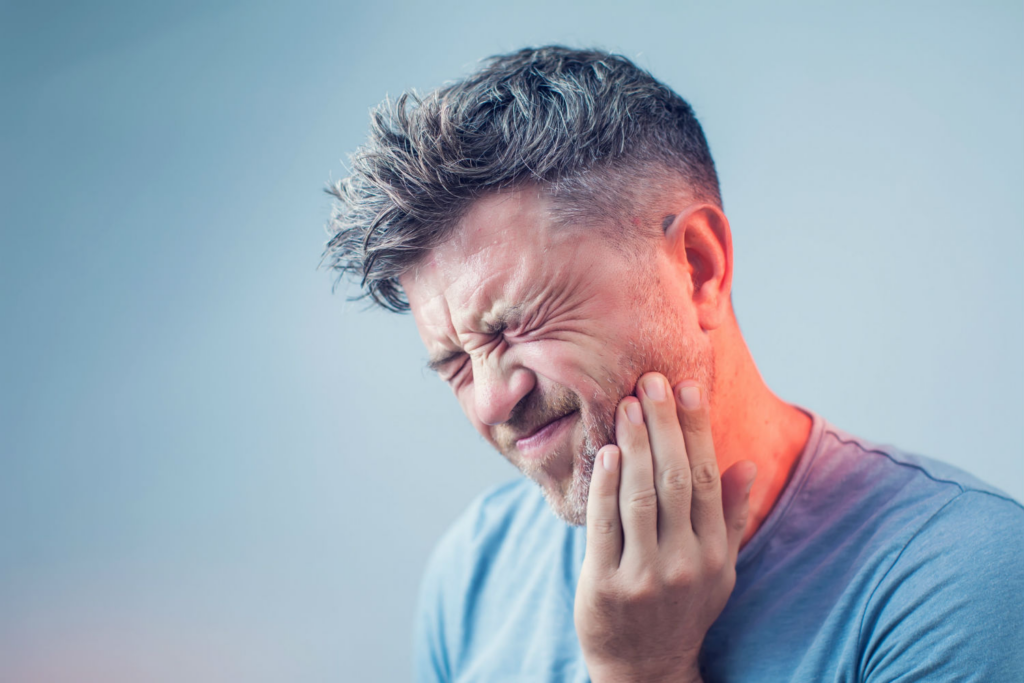
Main causes
Stress and anxiety (most common — over 70% of cases are stress‑related)
Sleep disorders (sleep apnea, REM disturbances)
Jaw or bite misalignment (malocclusion)
Caffeine, alcohol, smoking, or stimulant medications (SSRIs)
Genetics and childhood habits
Neurological issues or Parkinson’s disease (less common)
:Common symptoms (that make a night guard essential)
Flattened enamel surfaces (short or even teeth)
Sensitivity to cold or heat
Morning jaw muscle pain (masseter, temporalis)
Tension or migraine headaches
Ear or facial pain
Clicking or locking of the jaw (TMJ)
Repeated tooth or filling fractures
Gum recession exposing roots
Grinding noise reported by partner during sleep
?Types of Night Guards: Which One Is Right for You
| Best For | Durability (yrs) | Comfort | Protection | Material | Type |
| Mild bruxism, first‑time users | 1–3 | Very high | Medium | Soft silicone or EVA | Soft Night Guard |
| Severe grinding, heavy wear | 5–10+ | Medium | Very high | Rigid clear acrylic | Hard Acrylic |
| Balance of comfort and protection | 4–8 | High | High | Soft inner + hard outer layer | Hybrid (Dual‑Layer) |
| Complex TMJ or advanced cases | 7–15+ | Very high | Excellent | 3‑D printed acrylic or zirconia | Custom Digital (CAD/CAM) |
| Temporary or trial use | 0.5–2 | Low | Low | Cheap plastic (boil‑and‑bite) | Ready‑Made (OTC) |
Best choice: Hybrid or Custom Digital — they offer the best comfort‑protection balance.
Pros and Cons of a Night Guard
Advantages
Prevents enamel wear and tooth fractures
Reduces jaw pain, headaches, and tooth sensitivity (often within 2–4 weeks)
Protects fillings, veneers, and implants
Improves sleep quality
Relieves TMJ pressure and helps prevent arthritis
Non‑invasive and reversible
Disadvantages
Takes 1–2 weeks to get used to
Initial cost (especially custom models)
Must be cleaned daily
Poor fit may cause salivation or discomfort
How to Make and Properly Use a Night Guard
In‑Clinic Steps for a Custom Guard
1Consultation + exam + X‑ray (check wear and TMJ)
2Intraoral scanning (iTero, Trios) or traditional impressions
3Design using CAD software (bite and thickness adjustment)
4Fabrication in lab or 3‑D printing (1–2 weeks)
5Delivery + final adjustment
6Usage and cleaning instructions
Usage Guidelines
Wear only at night (or daytime if you have awake bruxism)
Brush teeth before use
Clean nightly with lukewarm water and soft brush
Check every 6 months for adjustments or replacement
If pain or discomfort occurs, see your dentist immediately
Care, Cleaning & Lifespan
Daily: use mild soap + lukewarm water or denture cleaning tablets (Efferdent, Polident)
Weekly: soak in diluted white vinegar or 3% hydrogen peroxide
Avoid: hot water, bleach, or dishwashers (they deform the material)
Average lifespan: 3–10 years (depending on bruxism severity and material)
Real Patient Experiences
Ali, 36
“Had severe bruxism — my front teeth were worn flat. Got a custom hybrid guard. After one month, morning headaches disappeared completely.”
Sara, 29
“Started with a soft guard — comfy but tore fast. Switched to a custom hard guard. Three years later, still perfect.”
Reza
“Bought a pharmacy OTC guard — caused jaw pain. Definitely go for custom; worth the price difference.”
Negar
“Work stress caused bruxism. Combined guard + meditation + Botox. The guard made the biggest difference.”
Mohammad
“Got a 3‑D printed digital guard to protect veneers — fits perfectly, barely notice it in my mouth.”
Combination Therapy
Botox (masseter muscle, every 4–6 months) to reduce clenching force
Jaw physiotherapy + relaxation exercises
CPAP if sleep apnea co‑exists
Stress management (CBT, yoga, mindfulness)
Conclusion: A Small Investment to Protect Your Teeth

A dental night guard for bruxism is one of the simplest and most effective ways to prevent costly dental damage. Choosing the right type (hybrid or custom) and using it regularly can stop wear, ease jaw pain, and improve sleep.
Sources
American Dental Association (ADA)
World Health Organization (WHO) – Oral Health
Have worn teeth or morning jaw pain? At Saadat Dental Clinic, we offer free consultations, digital scanning, and custom night guard fabrication using advanced materials. Our team will help you protect your teeth and sleep better
Frequently Asked Questions (FAQ)
?How long until I get used to it
3–14 days — you might drool or feel pressure early on.
?Is a ready‑made guard OK
Short‑term yes, but custom is essential for long‑term protection.
?If the guard doesn’t break, do teeth still grind
The guard sacrifices itself — not your teeth.
?Is it suitable for children
Rarely, and only under dental supervision.
?Does insurance cover it
Usually not, unless part of specific TMJ treatment.